Living Argentine Football From Inside La Cancha
Argentine football is not something you simply just watch. It's something that you inherit from the generations that have lived before you. Something that you have no choice but to suffer and celebrate through. Argentines defend their clubs until death, and it's what they expect from the players on the pitch too.
From the tight streets of La Boca that wind around La Bombonera to provincial cities where stadiums dominate the skyline, football in Argentina is part of daily life. An Argentina football experience is created to allow visitors to the country to experience this world from the inside. This doesn't just mean the 90 minutes – but the rituals, history and community that make Argentine football what it is.

Matchday as a Ritual, Not as a Product
Watching a football match is a lot like watching your favourite series. You care so much about the protagonist and the villain because you know their backstory, what makes them tick, how they will react to situations, etc. Context is everything. It's the same in football. Fans care so much because of what their clubs have endured, the rivalries they have, the players they love and 100s of other reasons. An Argentina football experience with Pibe de Barrio will give you that context and so much more.
Rather than rushing to the stadium, visitors will see the previa, sample some choripán and watch as fans chant in the streets while the atmosphere slowly heats up. As this is going on, our guides will explain how barra brava culture evolved, why clásicos mean so much more than three points and why away fans are banned.
The Soul of Football in Buenos Aires
Each club in Argentina has its own identity inextricably linked with history, the area and the people. Boca Juniors and their stadium are inseparable from La Boca, a working-class neighbourhood shaped by Italian immigrants. River Plate, their eternal rivals, and their stadium, El Monumental, reflect the middle-class history and the surrounding area. San Lorenzo's story is about displacement and return, after decades away from Boedo, while Huracán is so connected to Parque Patricios that the barrios feel like an extension of the terrace.
There is so much more beyond the most well-known clubs too. Clubs like Argentinos Juniors, Maradona's first club, or Velez Sarsfield, built by railway workers but who transformed into a continental powerhouse, show how football has developed alongside society in the past 100 years.
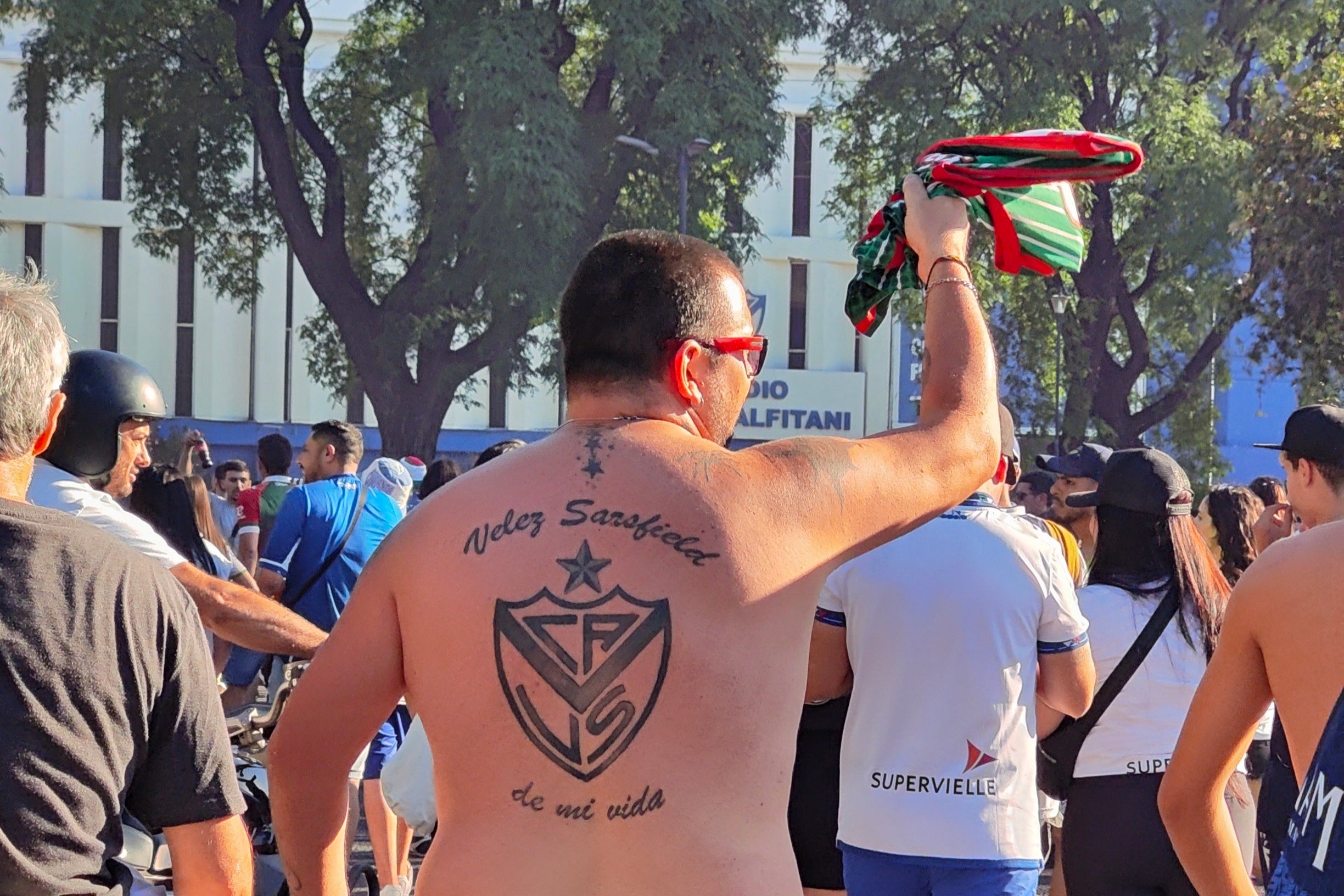
Pibe de Barrio's Argentina football experiences extend into these lesser-known but just as interesting and intense areas. Crowds are just as passionate, the colours just as vibrant, and identity just as fiercely guarded. Clubs in Argentina are still member-owned, and this structure has shaped fan loyalty over decades, meaning that wherever you visit with our guides, you are guaranteed an authentic Argentine football experience.
Passion and Excitement Beyond the Capital
To really understand fútbol in Argentina, a trip outside the capital is a must. Argentinians are football-mad no matter the city, and the sport takes on added significance where clubs represent their region. In Rosario, Newell's Old Boys and Rosario Central divide both families and neighbourhoods with an intensity which rivals that found in the capital. While the city itself has a thriving nightlife and an interesting history to explore. In Córdoba, Talleres and Belgrano represent a city that has been at odds with Buenos Aires for decades. Away from the estadio, visitors can take in sites like the country's oldest university and the UNESCO World Heritage Site, Manzana Jesuítica.
Mendoza, the country's wine capital with several beautiful vineyards to visit, has the football culture to match. La Plata, situated near Buenos Aires, hosts Gimnasia and Estudiantes, two huge clubs, while the city is famous for its green spaces and 19th-century architecture, meaning you can mix fútbol y cultura all in the same day. Some of these cities are less accustomed to tourists and a little more rough and ready than the capital. By visiting on a tour, you learn about the history, culture, and everything in between, while remaining in the safe hands of our friendly and knowledgeable guides.
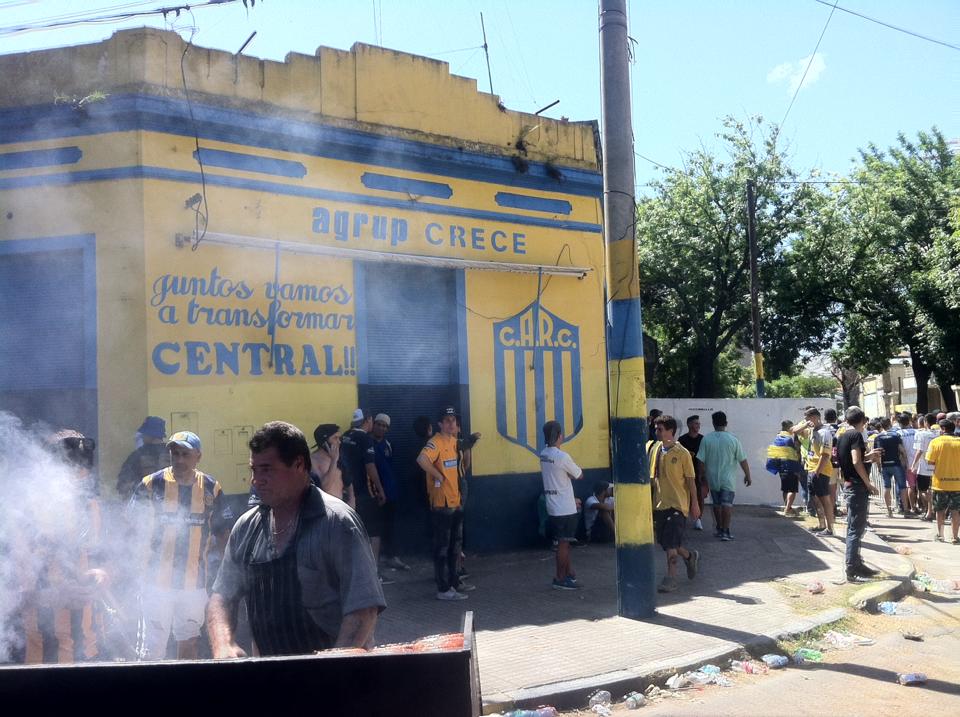
Provincial football reveals different aspects to football here, found in the songs they sing on la cancha, the matchday rituals and the stadium architecture. The Pibe Wagon tours can bring you to the heart of these. Just like the matchday experiences, travellers will get bilingual guides, internal transport, accommodation and the all-important matchday tickets.
The Pibe de Barrio Experience
Fútbol in Argentina is different from everywhere else in the world. The subculture stands alone, and if you are visiting the country, even just for a few days, seeing this is a must. Due to the disorganisation associated with the sport, a matchday experience can cut out the stress and give you an insight into what you're experiencing. You'll see the banner, flags, fireworks, drums, trumpets, pilusos (bucket hats), the drinks, the fans and most importantly the action on the pitch, but with a Pibe de Barrio experience, you'll understand the context between everything, with your safety and enjoyment our primary motivation.
Our bilingual guides are your local fixers, bodyguards and entertainers while they are with you. Everything in Argentina is subject to change, and that is no more true than when it comes to things like fixture scheduling and kickoff times. By booking with us, we can navigate any situations like this for you and still deliver an enjoyable and exhilarating experience.
Whether it's a one-day matchday experience or a tour made to suit your preferences, you will always get the best service on offer from our guides. They will walk you through the history of what you're experiencing as you walk through the streets. They act as your eyes and ears, bringing expert knowledge on both football and the logistics of your trip. You will be immersed in the experience, not just watching on from the outside.
Frequently Asked Questions — Argentine Football From Inside La Cancha
What does it mean to experience football "from inside la cancha" in Argentina?
It means going beyond just watching a match. You experience the pre-match rituals, the street food, the chants, the history behind each club and the community atmosphere that surrounds every stadium. Pibe de Barrio guides immerse you in the full matchday culture so you feel like a local, not a tourist.
Why are Argentine football clubs different from clubs in Europe?
Argentine clubs are member-owned, not run by private investors or corporations. Every weekend is a community gathering, not a commercial event. Stadiums are embedded in residential neighbourhoods, and the identity of each club is inseparable from its barrio and its people.
Can I visit football stadiums outside Buenos Aires with Pibe de Barrio?
Yes. Pibe de Barrio offers experiences and Pibe Wagon tours that cover cities like Rosario, Cordoba, Mendoza and La Plata. Each city has its own footballing identity — from the Newell's vs Rosario Central derby to the intensity of Talleres in Cordoba — and our guides bring you into the heart of it.
Is it safe to attend matches in smaller Argentine cities as a tourist?
Provincial stadiums can be more rough and ready than those in Buenos Aires, and some neighbourhoods are less accustomed to tourists. That is exactly why having a local guide matters. Pibe de Barrio provides bilingual guides for every experience, including those outside the capital, ensuring your safety and comfort throughout the day.
Which lesser-known clubs are worth visiting in Buenos Aires?
Beyond Boca and River, clubs like Argentinos Juniors (Maradona's first club), Velez Sarsfield, Huracan and Platense offer incredible atmospheres with smaller, more intimate crowds. The passion is just as intense, and the matchday rituals are just as authentic — often with easier ticket availability.
What is the barra brava and will I be near them during the match?
The barra brava are the organized supporter groups of each club, known for leading chants, drums and creating the matchday atmosphere. Your guide will explain the culture and history behind them. Pibe de Barrio seats you in safe sections of the stadium where you can enjoy the full atmosphere without being in the most intense areas.
What is included in a Pibe Wagon tour outside Buenos Aires?
Pibe Wagon tours include matchday tickets for multiple games, bilingual local guides, internal transport between cities, accommodation and all the cultural context you need. It is a multi-day road trip through Argentine football culture, visiting stadiums, neighbourhoods and cities across the country.
Why are away fans banned from matches in Argentina?
Away fans have been banned from most Argentine league matches since 2013 as a security measure following years of fan violence. This means every match is a home-only atmosphere, which actually makes the experience even more intense as the entire stadium sings and supports one team. Your guide will explain the full history behind this unique rule.